Over the last few decades, researchers have documented a global decline of about 50–60% in sperm count. Experts attribute this worrying trend to lifestyle and environmental factors such as poor diet, chronic stress, obesity, insufficient sleep, and exposure to endocrine-disrupting chemicals. Now, a new study suggests that your job could also play a role. The research reveals a potential connection between sperm health and the physical nature of one’s occupation, offering fresh insights into how physically demanding work may influence sperm concentration and testosterone levels.
The Link Between Physical Labor and Sperm Health
A recent study published in the journal Human Reproduction examined the relationship between physically demanding professions and testicular function. Conducted between 2005 and 2019, the research evaluated 377 men whose partners were receiving fertility treatment at a specialist center. The goal was to determine whether physical effort at work could correlate with measurable differences in sperm count, hormone balance, and reproductive health outcomes.
Positive Associations with Physically Demanding Jobs
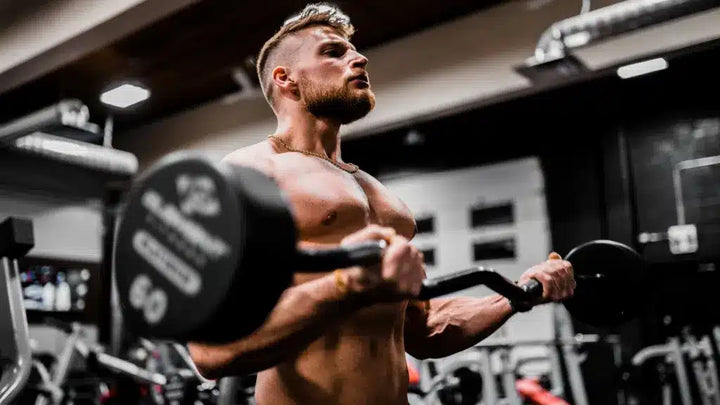
The results were striking. Men who regularly lifted or moved heavy objects at work had a 46% higher sperm concentration and a 44% greater total sperm count compared to those who rarely did. Those whose jobs required consistent physical activity displayed stronger testicular function and more robust hormonal profiles overall. Sperm concentration / Total sperm count:
- Men who never move or lift heavy objects: 32.2 million sperm/mL / 82.7 million
- Men who sometimes move or lift heavy objects: 40.4 million sperm/mL / 100.0 million
- Men who often move or lift heavy objects: 59.6 million sperm/mL / 149.0 million
Beyond sperm concentration, physically active men also had approximately 20% higher circulating testosterone levels than those in sedentary roles. Interestingly, they showed elevated estradiol concentrations — a hormone linked to male reproductive health, sexual function, and hormone balance. Together, these findings highlight how physical effort could stimulate beneficial hormonal activity, influencing fertility more than previously thought.
Unraveling the Relationship
While this study demonstrates a strong association between physical labor and improved sperm health, it doesn’t conclusively prove causation. Men with naturally higher testosterone levels may simply be more drawn to physically demanding occupations. Still, these results align with a large body of research showing that regular physical activity, whether occupational or recreational, supports better sperm parameters and hormone regulation. In essence, maintaining an active lifestyle — even outside of work — contributes to a healthier hormonal environment and higher-quality sperm. This reinforces the idea that strength training, movement, and fitness play an essential role in reproductive well-being for men of all ages.
The Role of Exercise in Male Fertility
Korzyści z ćwiczeń dla męskiej płodności są dobrze udokumentowane. Badania z 2019 roku i wcześniejsze konsekwentnie pokazują, że regularna aktywność fizyczna poprawia ruchliwość, liczbę plemników i poziom testosteronu. Ćwiczenia pomagają również regulować masę ciała, co jest kluczowe dla równowagi hormonalnej. Nadmiar tkanki tłuszczowej przyczynia się do stanów zapalnych, insulinooporności i zakłóceń hormonalnych — wszystko to negatywnie wpływa na jakość plemników. Z kolei utrzymanie zdrowej masy ciała poprzez ćwiczenia wspiera produkcję zdrowych, ruchliwych plemników.
Ćwiczenia a liczba plemników
Ćwiczenia o umiarkowanej intensywności wykonywane przez co najmniej trzy godziny tygodniowo mogą znacząco zwiększyć zarówno liczbę plemników, jak i ich ruchliwość. Mężczyźni, którzy regularnie trenują lub wykonują prace fizyczne, często mają wyższe stężenie plemników jako efekt ich aktywności. Podnoszenie ciężarów szczególnie wykazuje wyraźne korzyści. W jednej analizie mężczyźni z najwyższym kwartylem podnoszenia ciężarów mieli o 25% wyższe stężenie plemników w porównaniu do tych z minimalną aktywnością — co jasno wskazuje, że regularny trening siłowy korzystnie wpływa na zdrowie reprodukcyjne.
Ćwiczenia a testosteron
Ćwiczenia są również jednym z najskuteczniejszych naturalnych sposobów zwiększania testosteronu. Badanie z 2012 roku wykazało, że aktywni fizycznie mężczyźni mieli wyższy poziom testosteronu, FSH i LH — wszystkich kluczowych hormonów dla produkcji plemników. Trening oparty na oporze, szczególnie ćwiczenia złożone, takie jak przysiady i martwe ciągi, mogą wywołać większy wzrost testosteronu i hormonu wzrostu niż lżejsze formy ćwiczeń. Ten hormonalny impuls wspiera zdrowy rozwój plemników, równowagę energetyczną i ogólną witalność reprodukcyjną.
Działaj na rzecz lepszego zdrowia plemników
Nawet jeśli Twoja praca wymaga siedzenia przez większość dnia, nadal możesz podjąć proaktywne kroki, aby chronić i poprawić zdrowie plemników. Małe, konsekwentne zmiany stylu życia mogą mieć wymierny wpływ z czasem:
- Ustal regularny plan treningowy, obejmujący zarówno trening oporowy, jak i ćwiczenia kardio.
- Stawiaj na zrównoważoną dietę bogatą w owoce, warzywa i pełnowartościowe produkty, minimalizując przetworzone opcje.
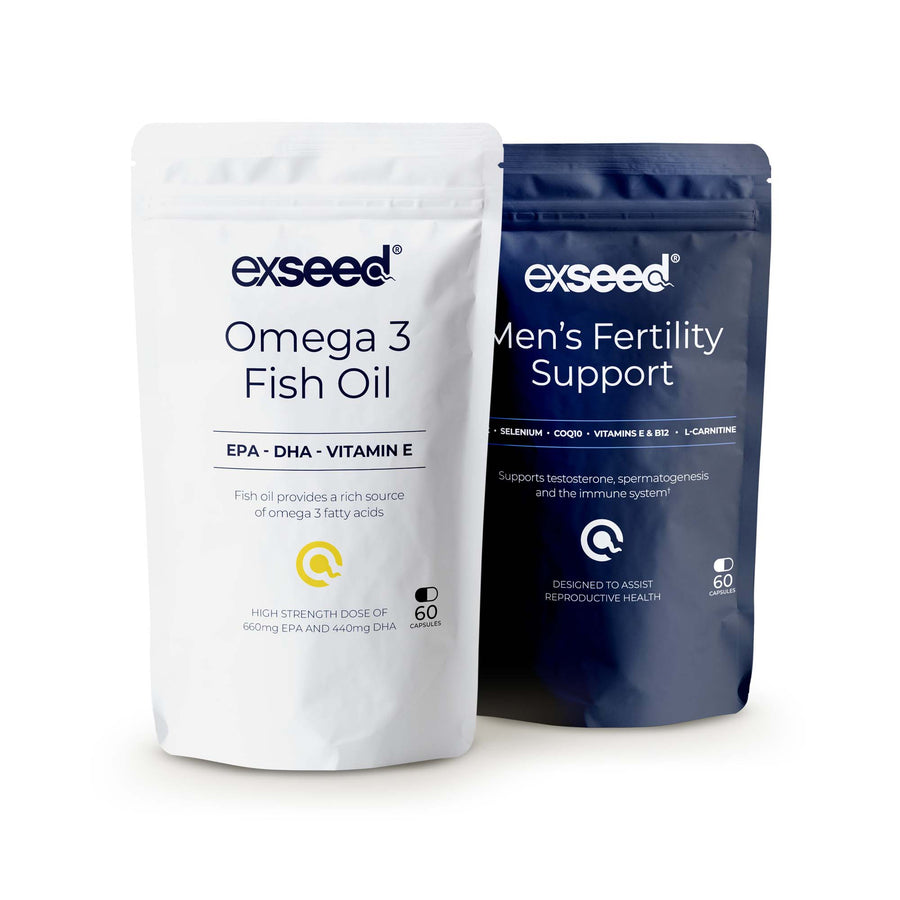
- Rozważ suplementy wspomagające płodność mężczyzn w celu uzupełnienia braków odżywczych.
- Quit smoking completely and limit alcohol intake.
- Manage stress through mindfulness, meditation, or regular downtime.
- Get 7–8 hours of restorative sleep each night to maintain hormonal stability.
- Reduce exposure to endocrine disruptors commonly found in plastics, pesticides, and hygiene products.
Utilize ExSeed’s Expertise
The link between physical labor and sperm health offers an exciting new perspective on how daily habits and job demands can influence male fertility. While more research is needed to establish direct causation, the evidence underscores the importance of movement, nutrition, and overall wellness in optimizing sperm quality. If you’re ready to take a more active role in understanding your fertility, ExSeed can help. Our at-home sperm test provides lab-level accuracy from the comfort and privacy of your own home. It measures three key sperm parameters — concentration, motility, and total count — and delivers results in minutes via our app. You’ll also receive personalized guidance from fertility experts to help improve sperm health and boost your chances of conception, whether you’re trying now or planning for the future.