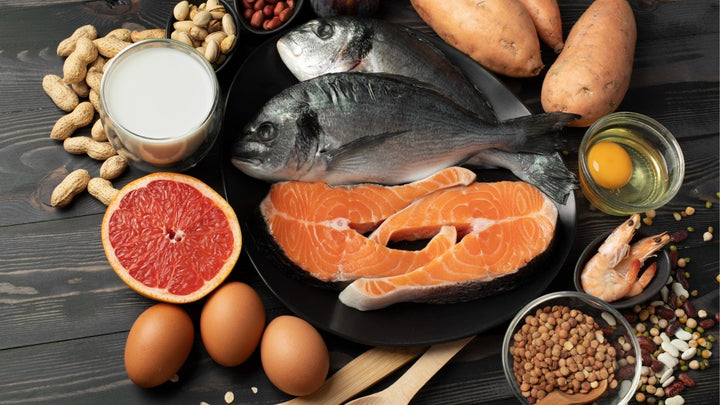
Seven food groups have real research behind them, not just tradition: walnuts, fatty fish, zinc-rich foods like oysters and pumpkin seeds, selenium from Brazil nuts, folate from leafy greens, vitamin C from citrus, and tomatoes for their antioxidant content. A Mediterranean-style pattern built around these foods is linked to better motility specifically, not just general fertility, in the research comparing diets directly. None of it works overnight. Sperm takes about 74 days to develop, so a dietary change needs roughly ten weeks before it shows up in a semen analysis.
What Is Sperm Motility?
Motility is the share of sperm that move, and specifically move forward in a relatively straight line, called progressive motility. A sample can carry a strong total count and still struggle to conceive if too few of those sperm can swim the distance from the cervix to the egg. Clinically low motility has its own name, asthenozoospermia, with its own causes worth understanding on their own terms in ExSeed's guide to asthenozoospermia.
Walnuts
A randomized controlled trial gave infertile men 60g of walnuts daily and measured real improvements in sperm vitality, motility and morphology against a control group eating their usual diet. Whole-food interventions tested this directly, rather than just observed in a population, are rare, which makes this one worth taking seriously. A small daily handful is the target, not a large bowl.
Fatty Fish
Salmon, mackerel and sardines carry omega-3 fatty acids. A systematic review and meta-analysis found omega-3 intake linked to improved motility and morphology across the pooled studies. Two or three servings a week covers it; more than that hasn't shown additional benefit in the current evidence.
Zinc: Oysters, Pumpkin Seeds and Lean Beef
Zinc plays a direct role in sperm quality, including motility and the structural integrity of the sperm membrane, and a review of its role in male fertility found deficiency shows up disproportionately often in men with poor semen parameters. Oysters carry the most per serving, with pumpkin seeds and lean beef as practical everyday sources.
Selenium: Brazil Nuts
Two or three Brazil nuts cover a full day's selenium. A randomized controlled trial combining selenium with vitamin E and folic acid improved sperm parameters in men with idiopathic infertility over three months. More isn't better here, selenium has a narrow safe range, so a small daily handful is the ceiling, not a starting point.
Folate: Leafy Greens and Legumes
Spinach, kale, lentils and asparagus are among the richest food sources of folate. A cross-sectional study found low folate status tracked with lower sperm quality in otherwise healthy men, and a separate trial found B9 and B12 supplementation improved semen parameters specifically in men carrying a common genetic variant that affects folate metabolism.
Vitamin C: Citrus Fruit
Oranges, kiwi and bell peppers are strong everyday sources. A clinical trial found ascorbic acid supplementation improved semen quality specifically in smokers, a group carrying more oxidative stress than average, which fits the broader mechanism: vitamin C helps neutralize the oxidative damage that degrades sperm membranes over time.
Tomatoes and Antioxidant-Rich Produce
Oxidative stress damages the sperm membrane and DNA, and antioxidants counter it. A Cochrane review of 48 trials found antioxidant supplementation linked to a meaningfully higher live birth rate in couples dealing with male-factor infertility. That evidence is strongest for supplement doses rather than dietary intake, but tomatoes carry lycopene, one of the antioxidants studied, and cost nothing to add to a plate.
Does the Overall Diet Pattern Matter More Than Individual Foods?
Somewhat. A cross-sectional analysis found that men following a Mediterranean-style pattern, vegetables, fruit, whole grains, fish, olive oil, showed better sperm motility specifically, not just general fertility markers. That's a meaningful distinction: the individual foods above work best as part of a consistent pattern, not as isolated fixes layered onto an otherwise poor diet. ExSeed's fertility rules guide covers the full case for eating this way.
What About Supplements Like CoQ10?
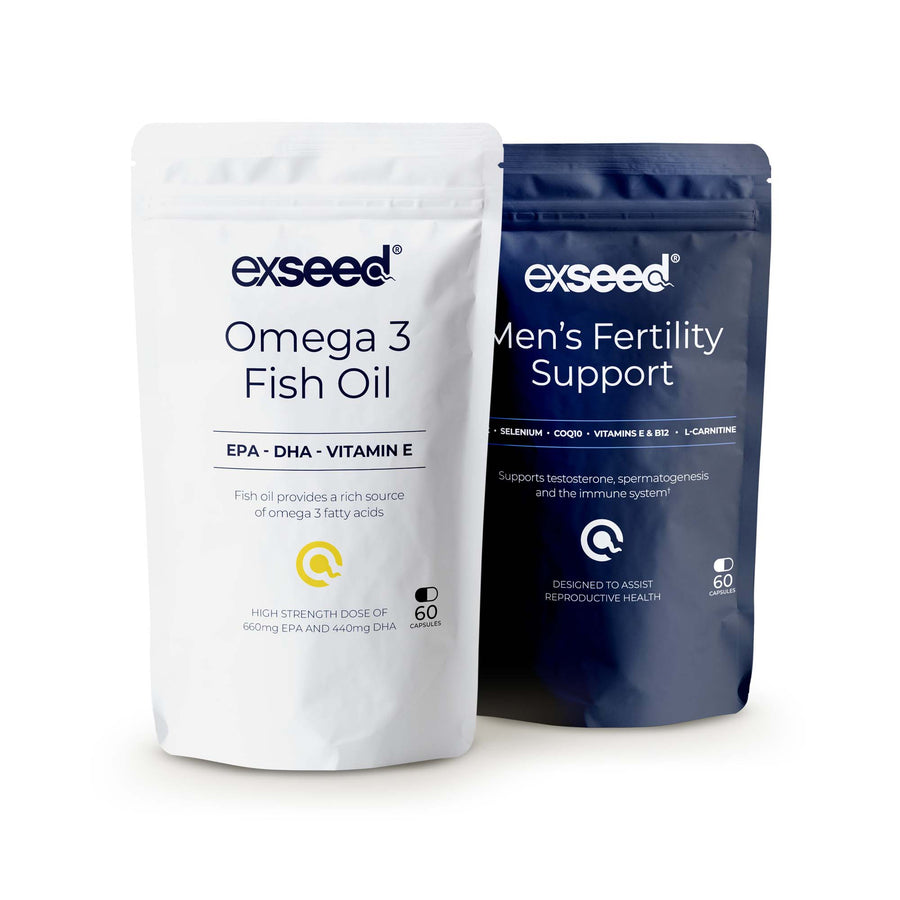
CoQ10 shows up often in fertility supplement marketing, and the evidence is genuinely mixed. A 2025 meta-analysis of randomized trials found some improvement in semen parameters, though effect sizes varied across studies and doses. Food sources, organ meat, oily fish, whole grains, provide far smaller amounts than supplement doses tested in trials, so treat CoQ10 as an open question rather than a settled recommendation either way.
How Long Before Diet Changes Show Up in a Semen Analysis?
About ten weeks, in line with the 74 days sperm takes to fully develop. Changes made today reflect a diet from months ago, and today's diet won't show up until roughly that far in the future. Checking where you stand before and after with a home sperm test is the only way to know if the changes are actually working for you specifically.
Frequently Asked Questions
What foods increase sperm motility?
Walnuts, fatty fish, zinc-rich foods like oysters and pumpkin seeds, selenium from Brazil nuts, folate from leafy greens, vitamin C from citrus, and tomatoes for their antioxidant content all have research behind them. A Mediterranean-style eating pattern built around these foods shows a stronger link to motility than any single food eaten in isolation.
Do walnuts really improve sperm motility?
Yes, in a controlled trial. Men eating 60g of walnuts daily showed measurable improvements in motility, vitality and morphology compared to a control group, one of the few whole foods tested this directly.
How much omega-3 do I need for sperm health?
Two to three servings of fatty fish a week is a reasonable target based on the current research. Higher intake hasn't shown additional benefit in the studies pooled so far.
Can zinc deficiency cause poor sperm motility?
It's linked to it. Zinc deficiency appears more often in men with poor semen parameters, and the mineral plays a direct role in sperm membrane structure and motility.
Does CoQ10 actually help, or is it marketing?
The evidence is mixed rather than settled. A 2025 meta-analysis found some improvement in semen parameters, but effect sizes varied across trials and doses, so it's not a guaranteed fix despite how it's often marketed.
How long before diet changes show up in a semen sample?
About ten weeks. Sperm takes roughly 74 days to develop, so today's dietary changes won't be reflected in a semen analysis until that full cycle has passed.
What's the difference between low sperm count and low motility?
Count measures how many sperm are present. Motility measures how many of those sperm can actually swim well enough to reach the egg. A sample can have a normal count and still face fertility challenges if motility is low, which is why they're tested and treated as separate parameters.