Over the last few decades, researchers have documented a global decline of about 50–60% in sperm count. Experts attribute this worrying trend to lifestyle and environmental factors such as poor diet, chronic stress, obesity, insufficient sleep, and exposure to endocrine-disrupting chemicals. Now, a new study suggests that your job could also play a role. The research reveals a potential connection between sperm health and the physical nature of one’s occupation, offering fresh insights into how physically demanding work may influence sperm concentration and testosterone levels.
The Link Between Physical Labor and Sperm Health
A recent study published in the journal Human Reproduction examined the relationship between physically demanding professions and testicular function. Conducted between 2005 and 2019, the research evaluated 377 men whose partners were receiving fertility treatment at a specialist center. The goal was to determine whether physical effort at work could correlate with measurable differences in sperm count, hormone balance, and reproductive health outcomes.
Positive Associations with Physically Demanding Jobs
The results were striking. Men who regularly lifted or moved heavy objects at work had a 46% higher sperm concentration and a 44% greater total sperm count compared to those who rarely did. Those whose jobs required consistent physical activity displayed stronger testicular function and more robust hormonal profiles overall. Sperm concentration / Total sperm count:
- Men who never move or lift heavy objects: 32.2 million sperm/mL / 82.7 million
- Men who sometimes move or lift heavy objects: 40.4 million sperm/mL / 100.0 million
- Men who often move or lift heavy objects: 59.6 million sperm/mL / 149.0 million
Beyond sperm concentration, physically active men also had approximately 20% higher circulating testosterone levels than those in sedentary roles. Interestingly, they showed elevated estradiol concentrations — a hormone linked to male reproductive health, sexual function, and hormone balance. Together, these findings highlight how physical effort could stimulate beneficial hormonal activity, influencing fertility more than previously thought.
Unraveling the Relationship
While this study demonstrates a strong association between physical labor and improved sperm health, it doesn’t conclusively prove causation. Men with naturally higher testosterone levels may simply be more drawn to physically demanding occupations. Still, these results align with a large body of research showing that regular physical activity, whether occupational or recreational, supports better sperm parameters and hormone regulation. In essence, maintaining an active lifestyle — even outside of work — contributes to a healthier hormonal environment and higher-quality sperm. This reinforces the idea that strength training, movement, and fitness play an essential role in reproductive well-being for men of all ages.
The Role of Exercise in Male Fertility
I benefici dell'esercizio sulla fertilità maschile sono ampiamente documentati. Studi del 2019 e precedenti mostrano costantemente che l'attività fisica regolare migliora la motilità, il conteggio degli spermatozoi e i livelli di testosterone. L'esercizio aiuta anche a regolare il peso corporeo, fondamentale per l'equilibrio ormonale. Il grasso corporeo in eccesso contribuisce a infiammazione, resistenza all'insulina e alterazioni ormonali — tutti fattori che influenzano negativamente la qualità dello sperma. Al contrario, mantenere un peso sano attraverso l'esercizio supporta la produzione di spermatozoi sani e motili.
Esercizio e Conto degli Spermatozoi
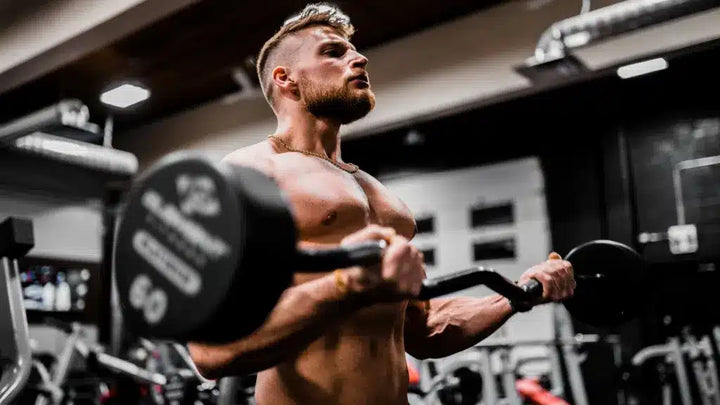
Un esercizio di intensità moderata svolto per almeno tre ore alla settimana può aumentare significativamente sia il numero che la motilità degli spermatozoi. Gli uomini che praticano regolarmente attività fisica o svolgono lavori faticosi spesso sperimentano concentrazioni di spermatozoi più elevate come effetto collaterale della loro attività. In particolare, il sollevamento pesi ha dimostrato vantaggi notevoli. In un'analisi, gli uomini nel quartile superiore per il sollevamento pesi avevano una concentrazione di spermatozoi del 25% superiore rispetto a quelli con livelli di attività minimi — un chiaro segnale che l'allenamento di forza regolare favorisce la salute riproduttiva.
Esercizio e Testosterone
L'esercizio fisico è anche uno dei modi naturali più efficaci per aumentare il testosterone. Uno studio del 2012 ha rilevato che gli uomini attivi fisicamente avevano livelli più elevati di testosterone, FSH e LH — tutti ormoni chiave per la produzione di sperma. Gli allenamenti basati sulla resistenza, soprattutto i movimenti composti come squat e stacchi, possono provocare aumenti maggiori di testosterone e ormone della crescita rispetto a forme di esercizio più leggere. Questo picco ormonale supporta uno sviluppo sano dello sperma, l'equilibrio energetico e la vitalità riproduttiva complessiva.
Agire per migliorare la salute dello sperma
Anche se il tuo lavoro ti mantiene seduto per la maggior parte della giornata, puoi comunque adottare misure proattive per proteggere e migliorare la salute dello sperma. Piccoli cambiamenti nello stile di vita costanti nel tempo possono avere un impatto misurabile:
- Stabilisci una routine di allenamento costante che includa sia esercizi di resistenza che esercizi cardiovascolari.
- Dai priorità a una dieta equilibrata ricca di frutta, verdura e alimenti integrali, minimizzando le opzioni processate.
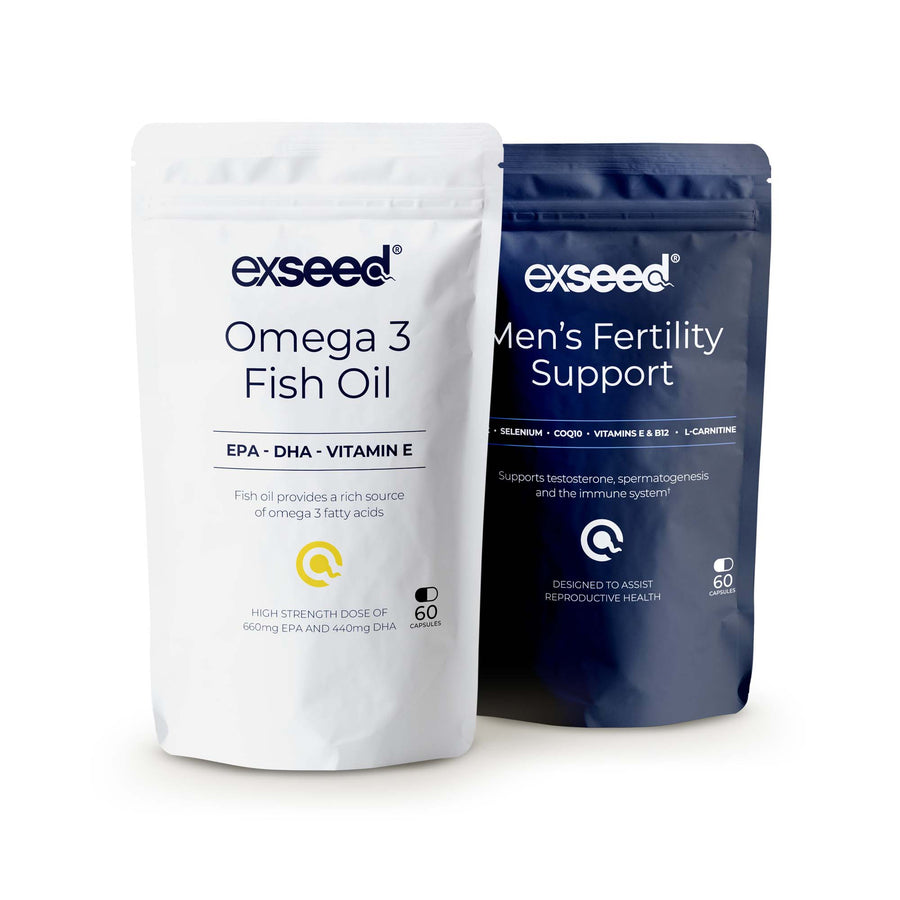
- Considera integratori per la fertilità maschile per colmare le carenze nutrizionali.
- Quit smoking completely and limit alcohol intake.
- Manage stress through mindfulness, meditation, or regular downtime.
- Get 7–8 hours of restorative sleep each night to maintain hormonal stability.
- Reduce exposure to endocrine disruptors commonly found in plastics, pesticides, and hygiene products.
Utilize ExSeed’s Expertise
The link between physical labor and sperm health offers an exciting new perspective on how daily habits and job demands can influence male fertility. While more research is needed to establish direct causation, the evidence underscores the importance of movement, nutrition, and overall wellness in optimizing sperm quality. If you’re ready to take a more active role in understanding your fertility, ExSeed can help. Our at-home sperm test provides lab-level accuracy from the comfort and privacy of your own home. It measures three key sperm parameters — concentration, motility, and total count — and delivers results in minutes via our app. You’ll also receive personalized guidance from fertility experts to help improve sperm health and boost your chances of conception, whether you’re trying now or planning for the future.