Over the last few decades, researchers have documented a global decline of about 50–60% in sperm count. Experts attribute this worrying trend to lifestyle and environmental factors such as poor diet, chronic stress, obesity, insufficient sleep, and exposure to endocrine-disrupting chemicals. Now, a new study suggests that your job could also play a role. The research reveals a potential connection between sperm health and the physical nature of one’s occupation, offering fresh insights into how physically demanding work may influence sperm concentration and testosterone levels.
The Link Between Physical Labor and Sperm Health
A recent study published in the journal Human Reproduction examined the relationship between physically demanding professions and testicular function. Conducted between 2005 and 2019, the research evaluated 377 men whose partners were receiving fertility treatment at a specialist center. The goal was to determine whether physical effort at work could correlate with measurable differences in sperm count, hormone balance, and reproductive health outcomes.
Positive Associations with Physically Demanding Jobs
The results were striking. Men who regularly lifted or moved heavy objects at work had a 46% higher sperm concentration and a 44% greater total sperm count compared to those who rarely did. Those whose jobs required consistent physical activity displayed stronger testicular function and more robust hormonal profiles overall. Sperm concentration / Total sperm count:
- Men who never move or lift heavy objects: 32.2 million sperm/mL / 82.7 million
- Men who sometimes move or lift heavy objects: 40.4 million sperm/mL / 100.0 million
- Men who often move or lift heavy objects: 59.6 million sperm/mL / 149.0 million
Beyond sperm concentration, physically active men also had approximately 20% higher circulating testosterone levels than those in sedentary roles. Interestingly, they showed elevated estradiol concentrations — a hormone linked to male reproductive health, sexual function, and hormone balance. Together, these findings highlight how physical effort could stimulate beneficial hormonal activity, influencing fertility more than previously thought.
Unraveling the Relationship
While this study demonstrates a strong association between physical labor and improved sperm health, it doesn’t conclusively prove causation. Men with naturally higher testosterone levels may simply be more drawn to physically demanding occupations. Still, these results align with a large body of research showing that regular physical activity, whether occupational or recreational, supports better sperm parameters and hormone regulation. In essence, maintaining an active lifestyle — even outside of work — contributes to a healthier hormonal environment and higher-quality sperm. This reinforces the idea that strength training, movement, and fitness play an essential role in reproductive well-being for men of all ages.
The Role of Exercise in Male Fertility
The benefits of exercise on male fertility are well-documented. Studies from 2019 and earlier consistently show that regular physical activity enhances sperm motility, count, and testosterone levels. Exercise also helps regulate body weight, which is vital for hormonal balance. Excess body fat contributes to inflammation, insulin resistance, and hormone disruption — all of which negatively affect sperm quality. By contrast, maintaining a healthy weight through exercise supports the production of healthy, motile sperm.
Exercise and Sperm Count
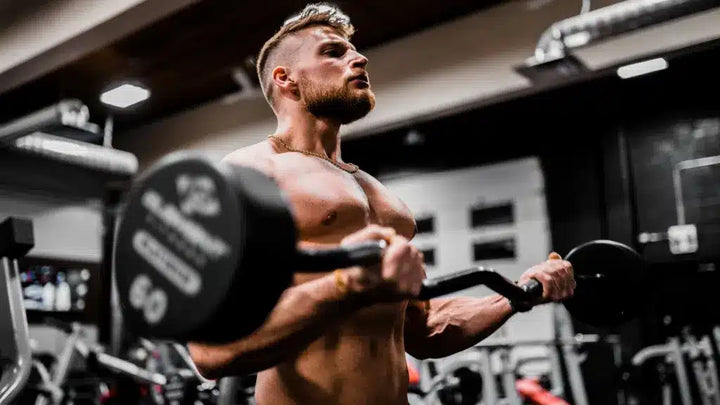
Moderate-intensity exercise performed for at least three hours per week can significantly increase both sperm count and motility. Men who regularly engage in physical training or have labor-intensive jobs often experience higher sperm concentrations as a by-product of their activity. Weightlifting, in particular, has demonstrated notable advantages. In one analysis, men in the top quartile for weightlifting had a 25% higher sperm concentration compared to those with minimal activity levels — a clear indication that regular strength training benefits reproductive health.
Exercise and Testosterone
Exercise is also one of the most effective natural ways to boost testosterone. A 2012 study found that physically active men had higher levels of testosterone, FSH, and LH — all key hormones for sperm production. Resistance-based workouts, especially compound movements like squats and deadlifts, can trigger greater increases in testosterone and growth hormone than lighter forms of exercise. This hormonal surge supports healthy sperm development, energy balance, and overall reproductive vitality.
Taking Action for Better Sperm Health
Even if your job keeps you seated for most of the day, you can still take proactive steps to protect and improve sperm health. Small, consistent lifestyle changes can make a measurable impact over time:
- Establish a consistent workout routine that includes both resistance training and cardiovascular exercise.
- Prioritize a balanced diet rich in fruits, vegetables, and whole foods while minimizing processed options.
- Consider male fertility supplements to fill nutritional gaps.
- Quit smoking completely and limit alcohol intake.
- Manage stress through mindfulness, meditation, or regular downtime.
- Get 7–8 hours of restorative sleep each night to maintain hormonal stability.
- Reduce exposure to endocrine disruptors commonly found in plastics, pesticides, and hygiene products.
Utilize ExSeed’s Expertise
The link between physical labor and sperm health offers an exciting new perspective on how daily habits and job demands can influence male fertility. While more research is needed to establish direct causation, the evidence underscores the importance of movement, nutrition, and overall wellness in optimizing sperm quality. If you’re ready to take a more active role in understanding your fertility, ExSeed can help. Our at-home sperm test provides lab-level accuracy from the comfort and privacy of your own home. It measures three key sperm parameters — concentration, motility, and total count — and delivers results in minutes via our app. You’ll also receive personalized guidance from fertility experts to help improve sperm health and boost your chances of conception, whether you’re trying now or planning for the future.